
Focus Stacking & HD Composition Service
Merge multiple exposures into one perfectly sharp, high-detail image — ideal for jewelry, small products, and macro shots where a single frame can’t capture everything in focus.
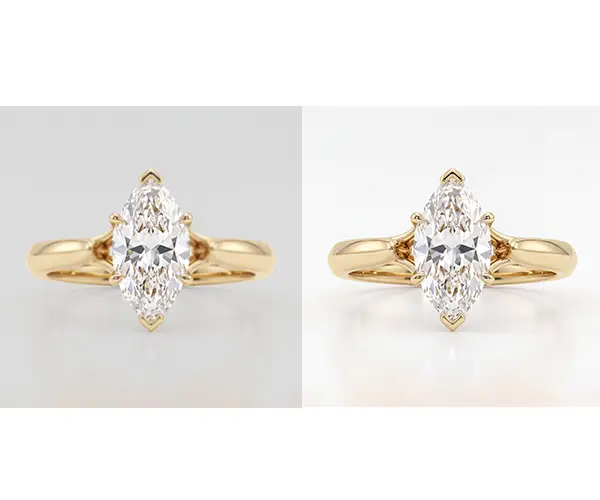
What’s Included
Full-depth sharpness for detail-heavy and macro product photography.
Whether you shoot in-house or work with a photographer, we take your raw frames and turn them into one clean, edge-to-edge sharp image your team never has to re-shoot or second-guess. Send a sample set through our free trial and we will tell you plainly whether your current setup is ready for a stack, or what would need to change first.
Multi-Shot Focus Merging
Combines several focus points into one fully sharp final image.
Macro & Jewelry Detail
Captures fine engraving, facets, and texture that single shots miss.
Depth-Consistent Composition
Even sharpness from foreground to background, no soft spots.
HD Detail Enhancement
Enhances clarity for close-up and zoomed product views.
Exposure Blending
Combines multiple exposures for balanced highlights and shadows.
Small Product Specialization
Built for rings, watches, electronics, and other detail-heavy items.
Manual Frame Alignment
Each frame in the stack is hand-aligned before blending, so nothing drifts or doubles up around fine edges like prongs or lettering.
Clean Reflections on Metal and Glass
We check every frame for stray reflections and hot spots on shiny surfaces, so the final stacked image stays clean and true to the product.
Real Before & After Examples
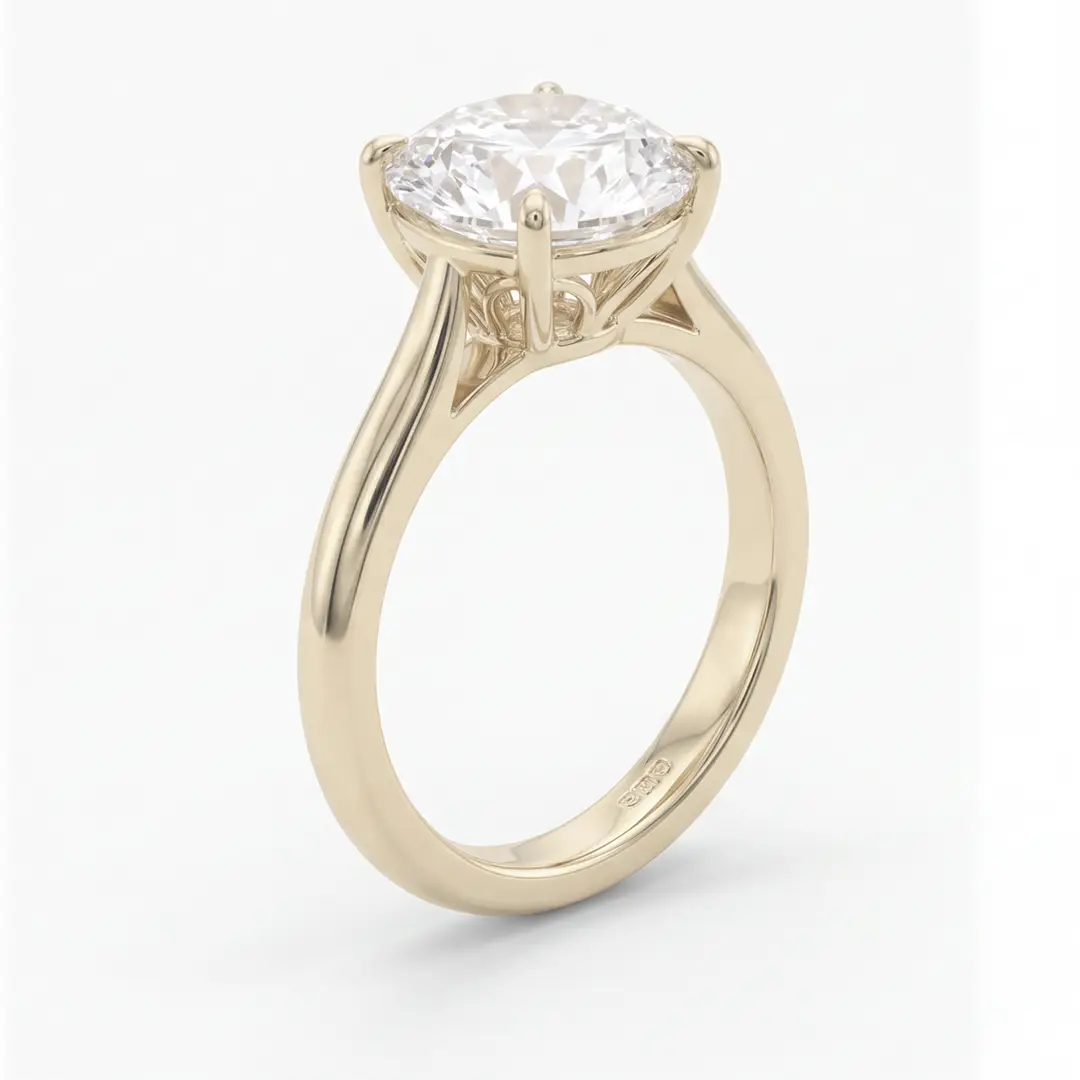
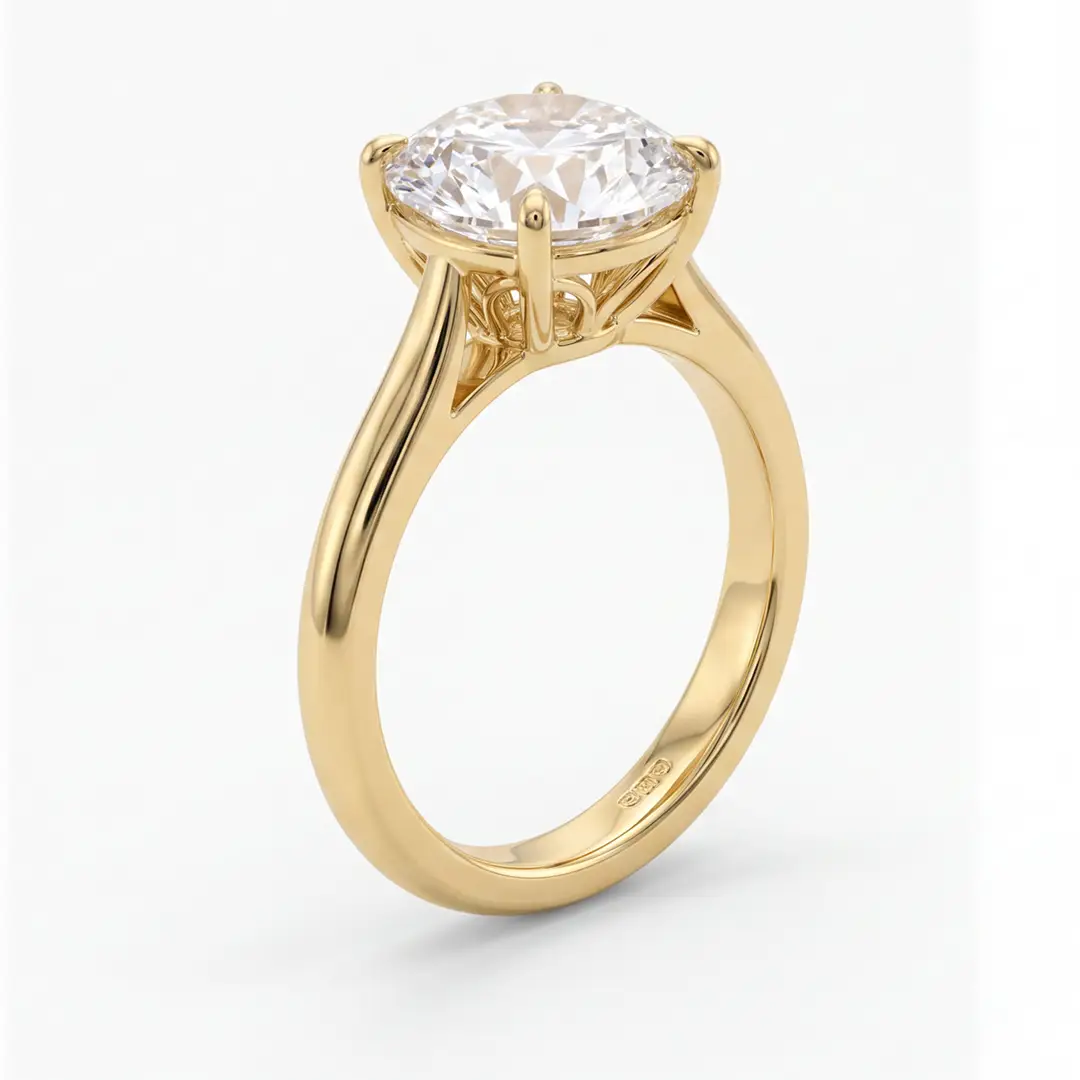
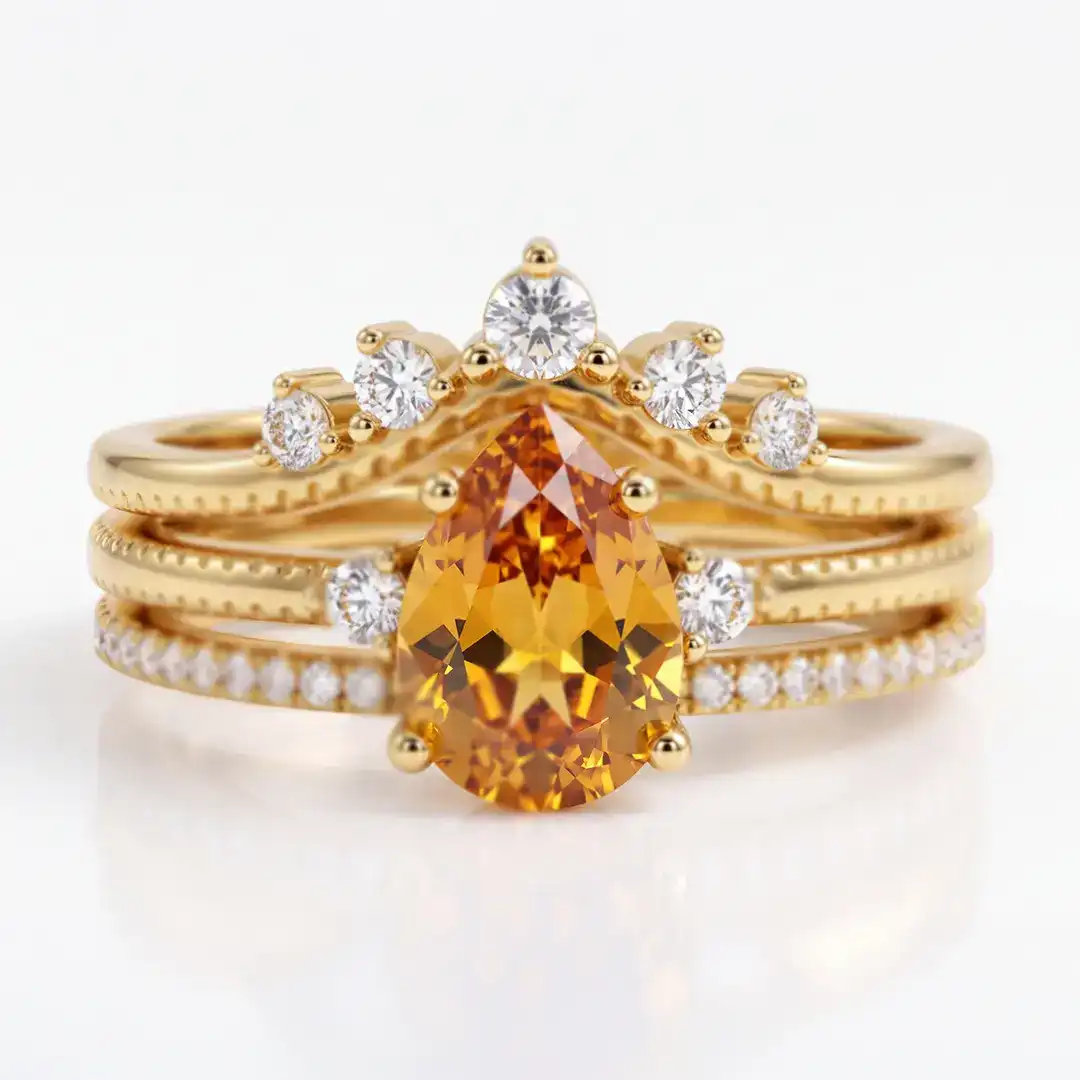
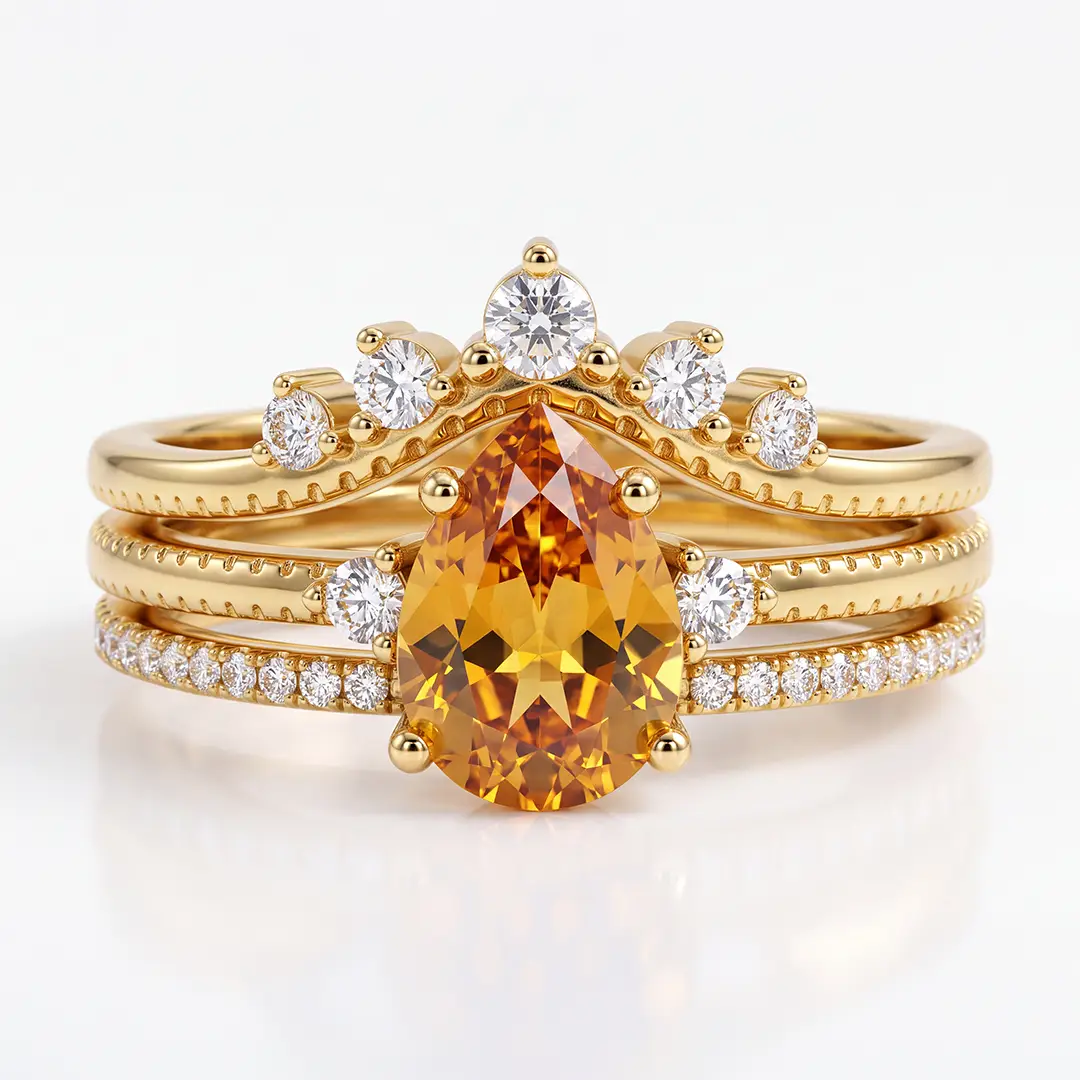
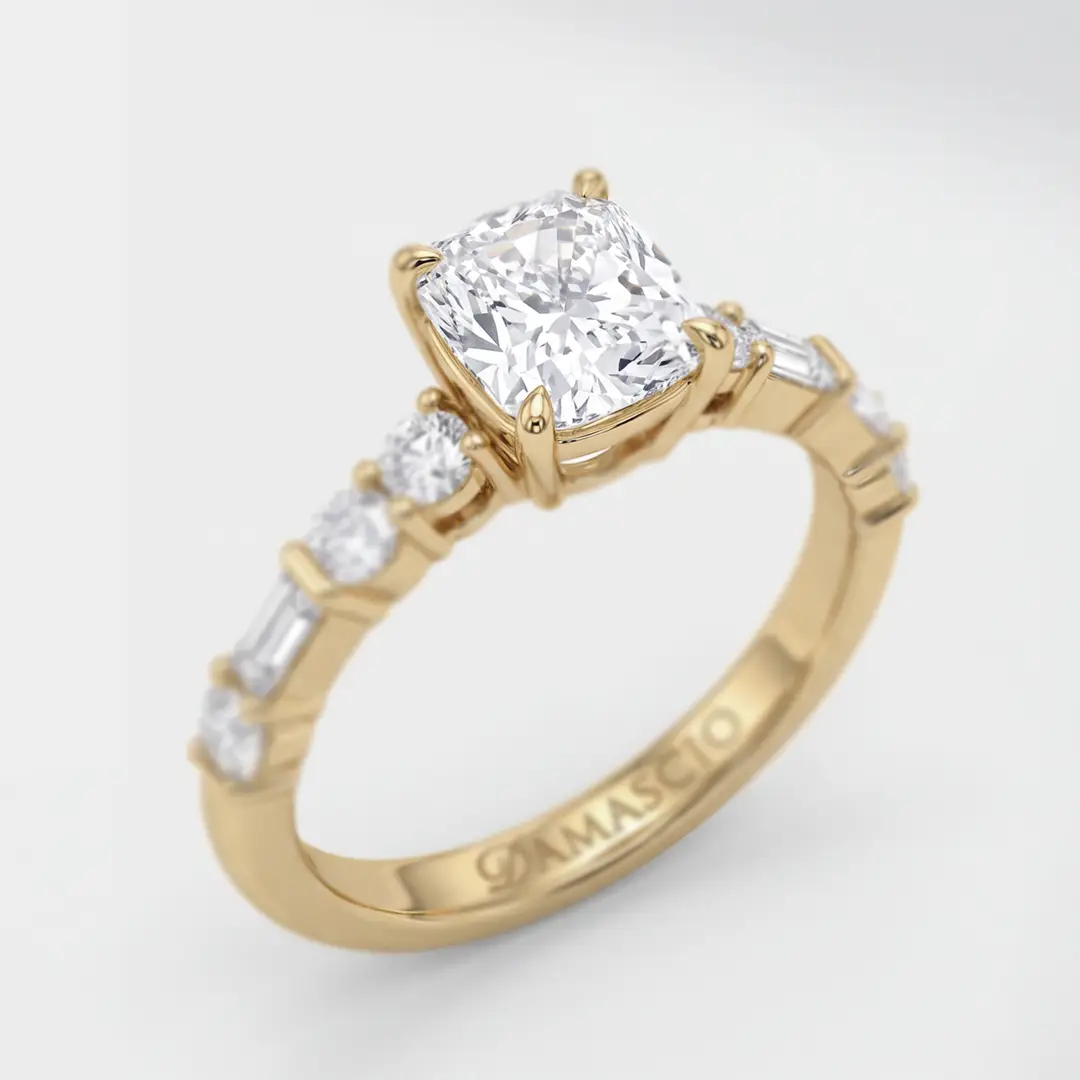
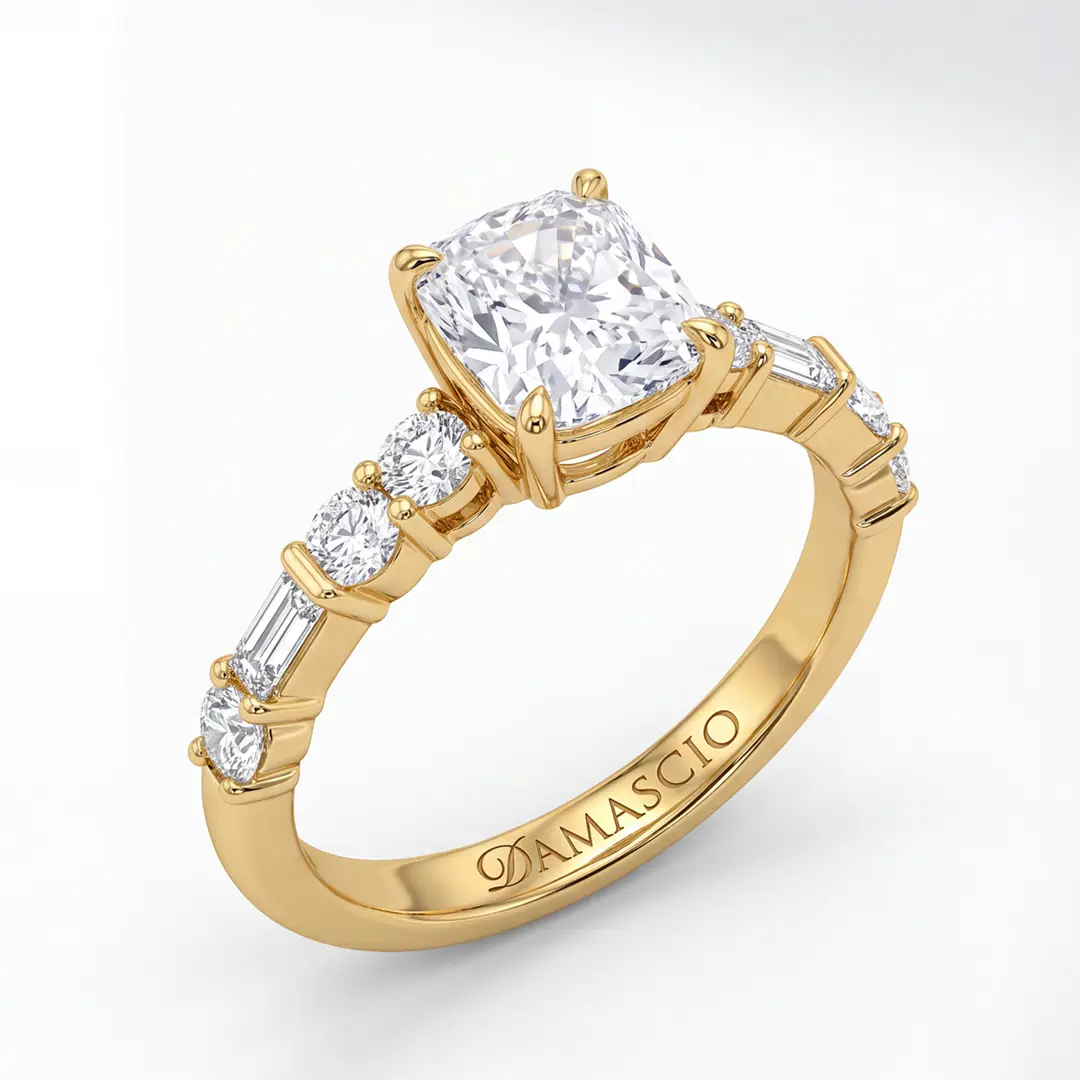
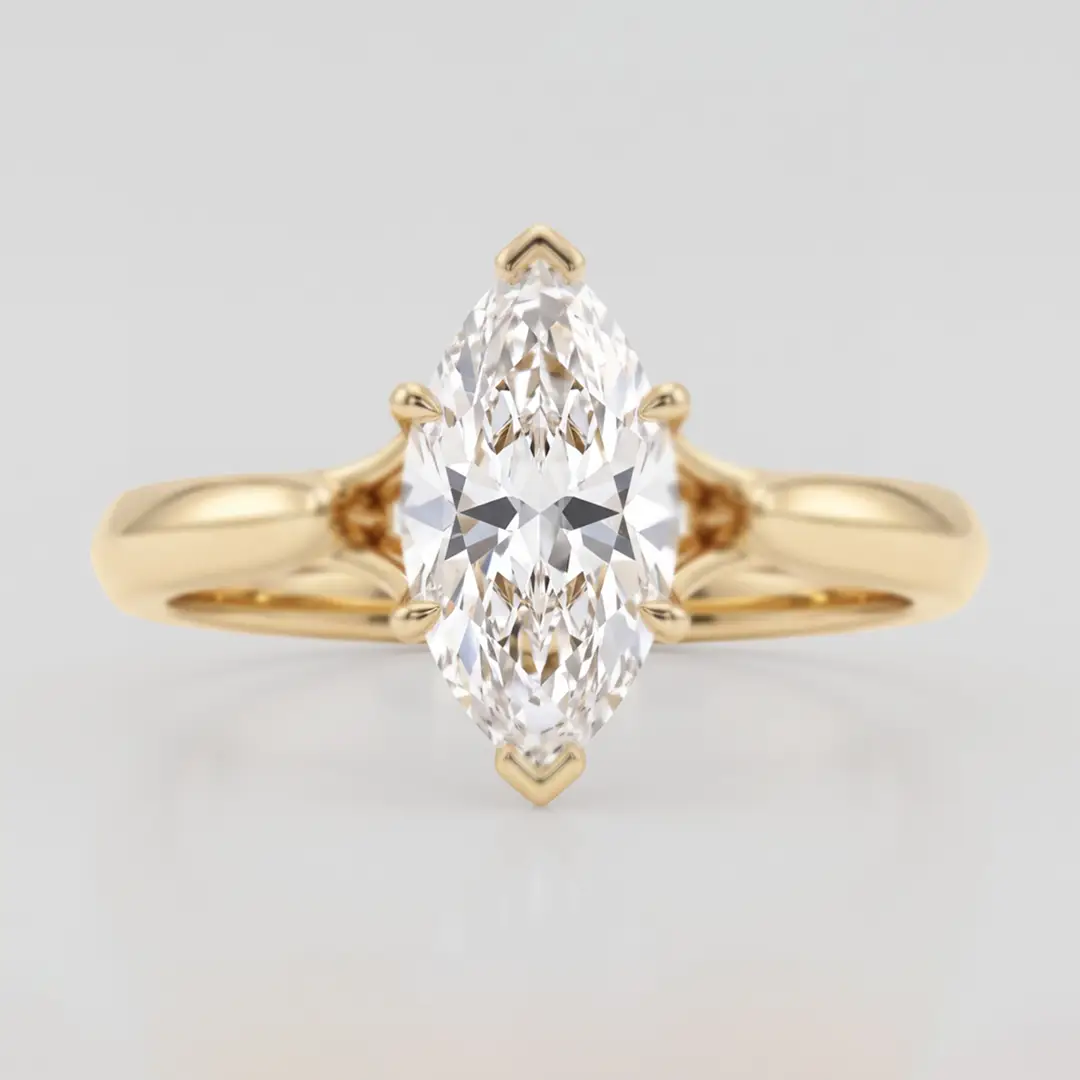
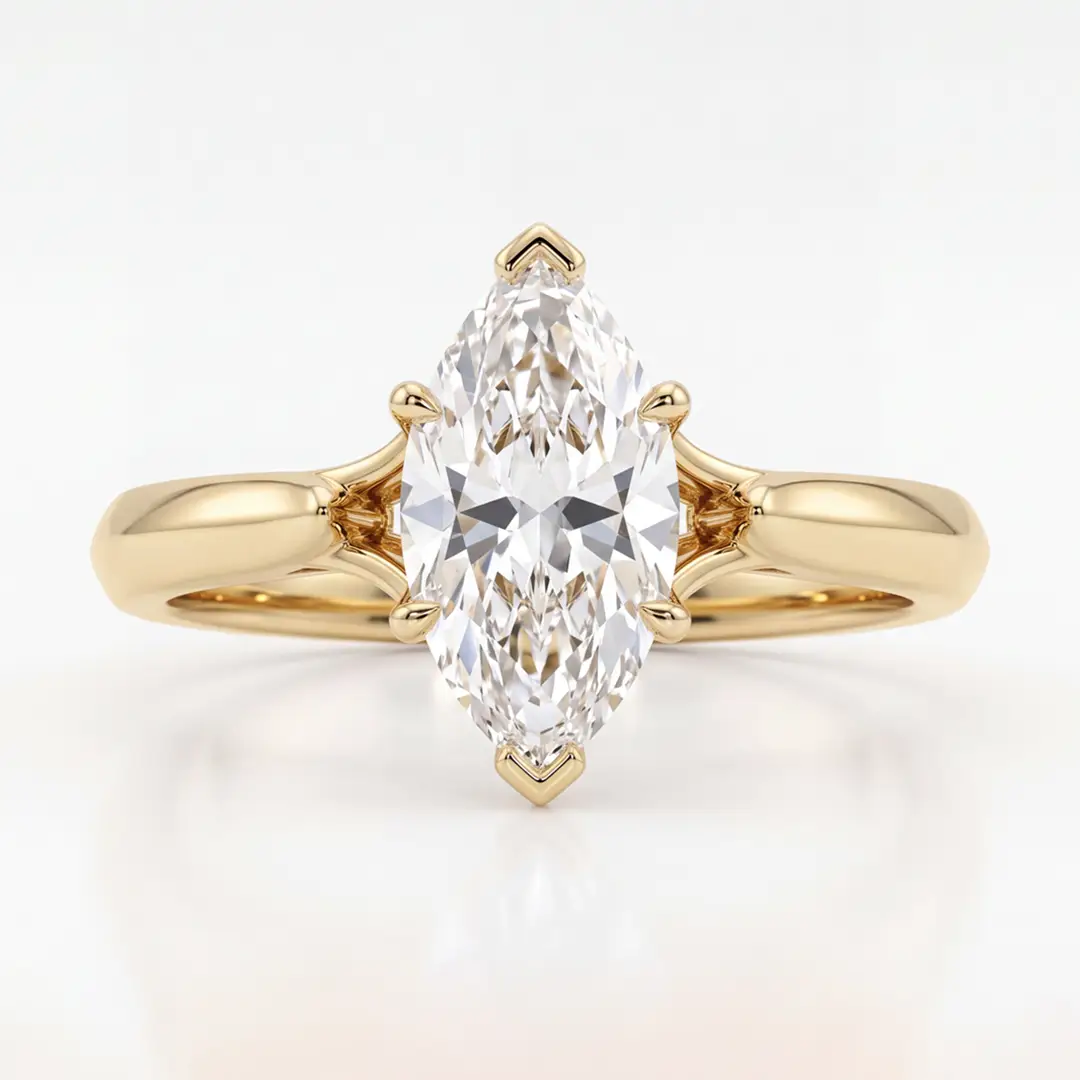
Actual focus-stacked composites from our studio — edge-to-edge sharpness across the whole product.
Why One Photo Can’t Capture a Small Product in Full Focus
It comes down to a simple limit of how cameras work.
Every photo has a zone of sharp focus called depth of field, and only the parts of the subject inside that zone look crisp. For a landscape, that zone can stretch for miles. For a small product shot up close, it can shrink to just a few millimeters.
Take a ring photographed close enough to show its detail. The front of the band might be perfectly sharp while the back of the band, the gemstone, and the prongs holding it in place are already starting to blur, simply because they sit slightly closer to or further from the camera.
Closing the lens aperture to widen that sharp zone seems like the obvious fix, but push it too far and a different problem called diffraction sets in, softening the whole image instead of just the out-of-focus parts. Focus stacking sidesteps both problems: we take several photos, each sharp in a different spot, and blend only the sharp parts of each into one fully sharp final image.
Which Products Need Focus Stacking the Most
Small, detailed products benefit the most from this technique.
Jewelry is the clearest case. A ring, earring, or pendant has facets, prongs, and engraving sitting at dozens of different depths in a single close-up shot, and a shopper zooming in expects every one of them to look sharp.
Watches have the same problem in an even smaller space. The face, the hands, the bezel, and the strap texture all sit at slightly different distances from the lens, so a single shot almost always leaves something soft.
Small electronics like earbuds, connectors, and smartwatches have fine buttons, ports, and seams that need to read clearly in a listing photo, especially when a buyer is checking the exact model or port type before purchasing.
Collectibles and auction lots — coins, small antiques, carved figurines — often have the kind of fine surface detail that collectors specifically zoom in to inspect, which makes an evenly sharp photo part of building buyer trust.
The Focus Stacking Mistakes We See Most
A rushed stack is easy to spot once you know what to look for.
Not taking enough shots is the most common mistake. If the gaps between focus points are too wide, the stacked image ends up with a faint blur line where two frames almost, but don’t quite, meet.
Frames that shift between shots cause ghosting. Even a small hand movement between frames throws off the alignment, so the final stack can show faint double edges unless every shot was taken on a stable tripod or macro rail.
Auto-stacking software doesn’t always pick the sharpest layer correctly. Left fully automatic, it can blend in a slightly soft section by mistake, which is why we review the result by eye instead of trusting the software’s first pass.
Lighting that changes even slightly between frames creates a blotchy, uneven look once the images are merged. We lock the lighting setup for the entire stack, so the final image looks like it came from one single, perfectly sharp shot.
Why Choose FixProductPhotos?
Free Trial, No Commitment
Upload a handful of your real photos and we’ll edit them the same way we’d edit your full order — no credit card, no contract, no pressure. You only pay once you’ve seen exactly what we can do with your own images.
24–48 Hour Turnaround
Most orders come back within 24 to 48 hours, even during busy seasons like holiday restocks. Need something sooner? Tell us the deadline and we’ll let you know if a rush turnaround is possible.
100% Satisfaction Guarantee
If an edited photo doesn’t look right, send it back and we’ll fix it — as many times as it takes, at no extra cost. We don’t consider an order finished until you’re genuinely happy with every image.
Dedicated Editing Team
Every photo passes through a trained human editor, then a second editor for quality control. We don’t run your images through a one-click filter and call it done — someone is actually looking at each one.
How It Works
Start Your Free Trial
Send us 3-5 sample photos through our free trial form. No payment info needed — we just want to show you what your images will look like after our team edits them.
We Edit It
A trained editor works on your photos by hand, then a second editor reviews every image before it goes back to you, so mistakes get caught before you ever see them.
Get Your Photos
Download your finished images in whatever format and size you need — ready to upload straight to your store, marketplace listing, or print file. Most orders ship back within 24 to 48 hours.
Frequently Asked Questions
How many source photos do you need for focus stacking?
Typically 3–10 shots at different focus points, depending on the product’s depth and detail.
What camera setup works best for focus stacking shots?
A tripod-mounted macro setup with small, consistent focus steps between shots works best — we can advise on your specific setup.
Can you focus-stack photos I’ve already taken, or do I need to reshoot?
We can work with existing shots if they already cover different focus points; otherwise a quick reshoot guide can help.
Is this service mainly for jewelry, or does it work for other products?
It works for any small, detail-heavy product — jewelry, watches, electronics, and collectibles are common uses.
Can focus stacking be combined with background removal?
Yes — it’s commonly ordered together with background removal and retouching.
How many photos do you need to take for a good focus stack?
It depends on the product’s size and how close the shot is, but most small products need anywhere from 5 to 20 individual frames to cover the full depth evenly.
Can focus stacking fix a photo that’s already blurry?
No — focus stacking blends several sharp frames together, so it only works if we start with a set of photos where different parts of each frame are in focus. A single blurry photo has nothing sharp to pull from.
Do I need special equipment to shoot photos for focus stacking?
A tripod or macro rail helps a lot, since it keeps the frames aligned, but you don’t need expensive gear — send us a sample set from what you already have and we’ll tell you honestly if it will work.
Does focus stacking work for products other than jewelry?
Yes. We use it for watches, small electronics, collectibles, and any product with fine detail spread across multiple depths, not just jewelry.
Will the stacked photo still look natural, or does it look artificially sharp?
A well-done stack should look like a single, perfectly sharp photo, not an obviously edited one. We review every stack by eye to avoid the slightly unnatural look that comes from a rushed or fully automatic blend.
Does focus stacking take longer than standard photo editing?
It can take a bit more time than basic retouching because of the extra blending work, but most focus-stacked orders still come back within our standard 24 to 48 hour turnaround.
Ready for Fully Sharp, Edge-to-Edge Detail?
Send 2–3 raw photos and see our quality firsthand — no payment required.
Get 3 Free Trial Edits