Photo Editing for Eyewear Brands
Glare-free lenses, clean frame detail, and consistent angles across your whole eyewear catalog.
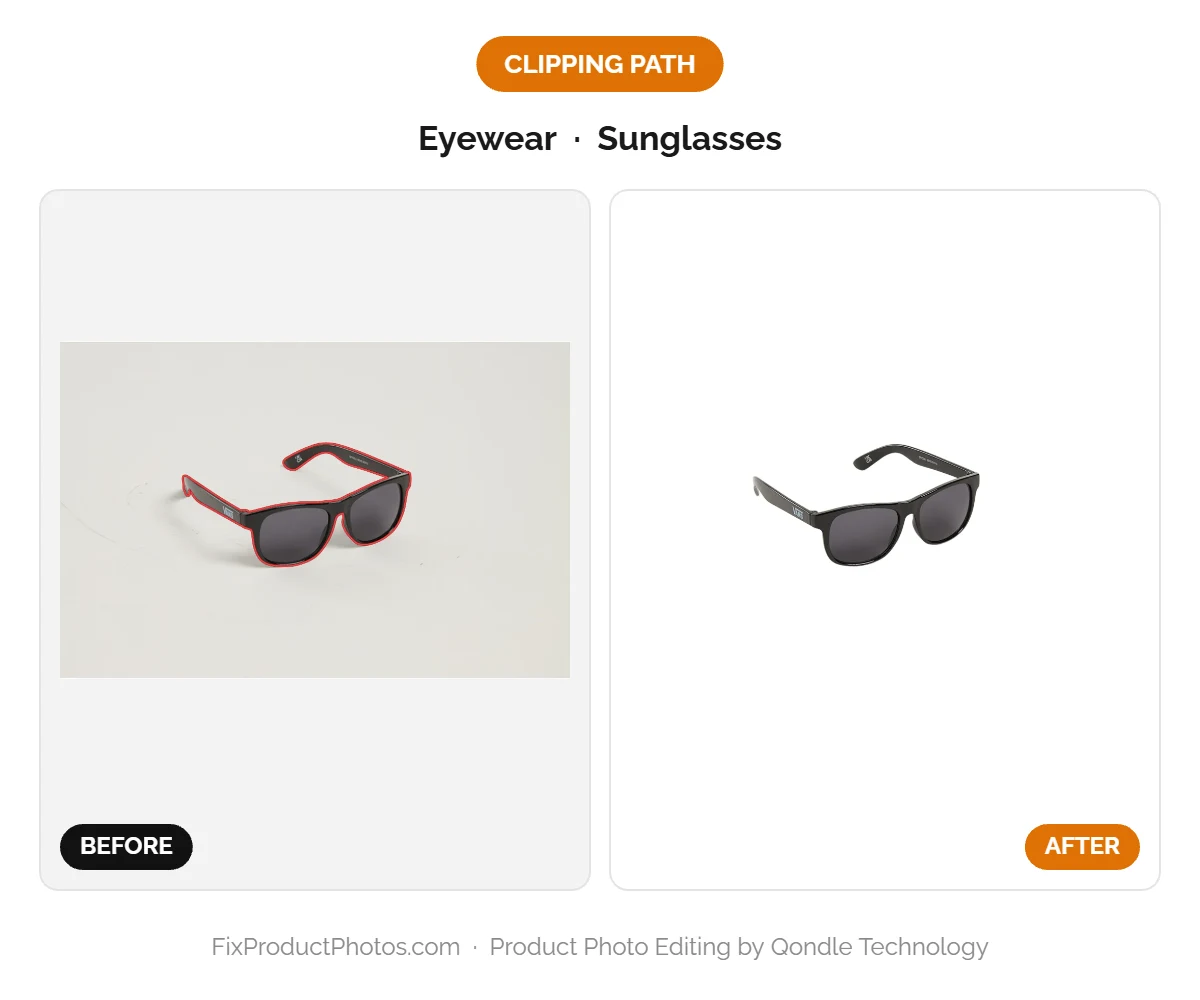
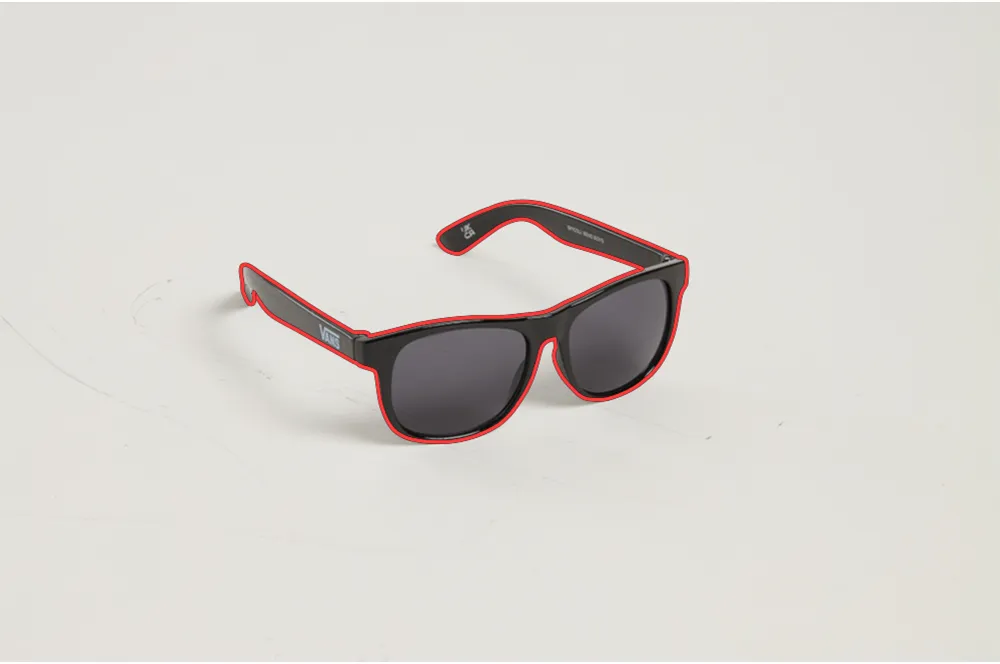
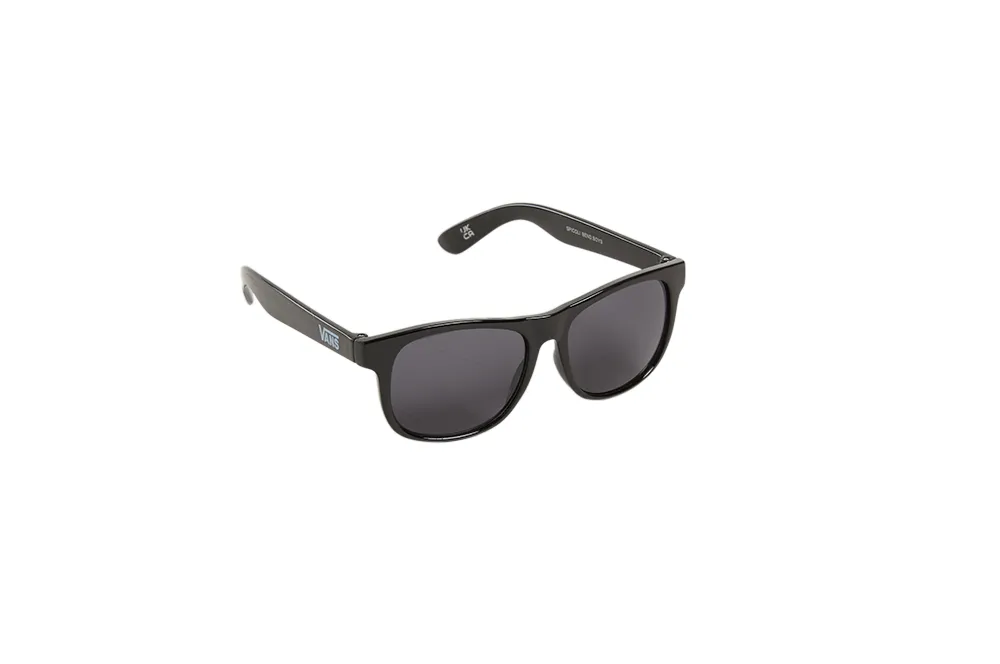
Before & After: Eyewear Edits
Frames and lenses isolated with precise paths and clean reflections.
What Eyewear Photography Needs
Reflective lenses and fine frame detail make eyewear one of the trickier categories to shoot and edit cleanly.
Send a sample pair through our free trial and we will show you exactly how clean the lens and frame can look before you commit to a full batch.
Lens Glare & Reflections
Studio lighting almost always creates glare on lenses. We remove it by hand without making the lens look flat or painted-on.
Frame Detail & Hinge Cleanup
Small scratches, dust, and hinge imperfections are easy to spot at full zoom — we clean these up while keeping the frame’s real material look.
Consistent Angle & Cropping
Every pair in your catalog framed the same way, so your product grid looks intentional rather than assembled from different shoots.
Marketplace-Ready Backgrounds
Clipped, formatted backgrounds that meet the spec of whichever platform you’re listing on.
Frame Color Accuracy
We correct frame color so metal, acetate, and plastic all match the true product, cutting down on returns caused by color confusion.
Transparent Lens Rendering
Clear lenses keep their natural shine and shape on a clean background — we never let a lens disappear or turn grey during cutout.
Colorway Batch Matching
When one frame comes in many colors, every photo in the set matches in angle, crop, and lighting, so your catalog looks like one clean collection.
Polarized Lens Tint Correction
Polarized and tinted lenses can look too dark or too flat under studio light — we adjust the tint so it looks true and natural.
Services We Recommend
Pick what your catalog needs — every service starts with 3 free trial edits.
Most eyewear brands end up pairing background removal with retouching on the same batch, since clean lenses and clean cutouts almost always go together.
High-End Retouching →
Glare, reflection, and dust cleanup on lenses and frames without a flat, artificial look.
Background Removal & Clipping Path →
Precise cutouts around temples, hinges, and lens edges.
Image Upscaling →
Sharper detail for close-up shots of frame material and hardware.
Focus Stacking & HD Composition →
Keep the entire frame — front rim to temple tip — sharp in one composite.
Why Eyewear Photos Need Specialized Editing
Glasses and sunglasses are some of the hardest products to photograph well. They are small, shiny, and made of parts that catch light in different ways. A frame, a lens, a hinge, and a nose pad can all reflect light in a different direction at the same time, which is why eyewear needs an editor who understands glass, metal, and plastic all in one shot.
The biggest problem is lens glare. Studio lights bounce off the lens and show up as bright white spots, and sometimes you can even see the photographer or the camera in the reflection. If this is not fixed, buyers cannot see the true color or shape of the lens. We remove this glare by hand, spot by spot, through careful product retouching, not a quick filter or a one-click tool.
Clear and tinted lenses bring their own challenge. A clear lens still needs to look like glass, with a little shine and depth, even on a plain white background. Many automatic background tools accidentally cut away part of the lens along with the background, which is why getting a clean background behind thin metal frames and glass lenses needs careful background removal and clipping path work done by a real person.
Consistency across a whole catalog also matters more for eyewear than for most products, since shoppers often zoom in to check small details like the hinge screw or the logo on the arm. Image upscaling and resolution enhancement can sharpen older or smaller photos so every small detail still looks crisp at that zoom level.
Flat-Lay vs On-Model Eyewear Photos
Flat-lay photos show the glasses alone, laid flat or propped up, usually on a plain background. These photos are great for showing the true shape, color, and small details of the frame, and they are easier to keep consistent across many colorways, since there is no model, skin tone, or hair to think about.
On-model photos show the glasses being worn, which helps customers picture how the glasses will look on a real face. The tradeoff is that on-model shots are harder to keep consistent, since skin tone, lighting on the face, and hair color can all change how the frame color looks from one photo to the next.
The best eyewear listings usually use both. A clean flat-lay photo builds trust in the product itself, and an on-model photo helps the customer picture themselves wearing it. Our job is to make sure both styles still look like they belong to the same brand, with matching color and lighting across the whole set.
Why Choose FixProductPhotos?
Free Trial, No Commitment
Upload a handful of your real photos and we’ll edit them the same way we’d edit your full order — no credit card, no contract, no pressure. You only pay once you’ve seen exactly what we can do with your own images.
24–48 Hour Turnaround
Most orders come back within 24 to 48 hours, even during busy seasons like holiday restocks. Need something sooner? Tell us the deadline and we’ll let you know if a rush turnaround is possible.
100% Satisfaction Guarantee
If an edited photo doesn’t look right, send it back and we’ll fix it — as many times as it takes, at no extra cost. We don’t consider an order finished until you’re genuinely happy with every image.
Dedicated Editing Team
Every photo passes through a trained human editor, then a second editor for quality control. We don’t run your images through a one-click filter and call it done — someone is actually looking at each one.
How It Works
Start Your Free Trial
Send us 3-5 sample photos through our free trial form. No payment info needed — we just want to show you what your images will look like after our team edits them.
We Edit It
A trained editor works on your photos by hand, then a second editor reviews every image before it goes back to you, so mistakes get caught before you ever see them.
Get Your Photos
Download your finished images in whatever format and size you need — ready to upload straight to your store, marketplace listing, or print file. Most orders ship back within 24 to 48 hours.
Helpful Guides From Our Editing Team
Practical, experience-based articles to help you shoot, prepare and list better product photos.
Frequently Asked Questions
Can you remove glare without making the lens look fake?
Yes — glare removal is done by hand, keeping natural light reflection cues so the lens still reads as glass or plastic, not flat color.
Do you keep frame material (metal, acetate, etc.) looking accurate?
Yes, we preserve the real texture and finish of the frame material during retouching.
Can you match crop and angle across our whole catalog?
Yes — send us your angle/crop preference once and we’ll apply it consistently across the batch.
What file formats and sizes do you deliver?
Whatever your store or marketplace requires — let us know the spec and we’ll match it.
Is the free trial available for eyewear photos?
Yes — send 2-3 raw eyewear photos and we’ll return finished edits with no payment required.
Can you remove glare and reflections from sunglasses and glasses lenses?
Yes. Our editors remove bright spots, light flares, and reflections from lenses by hand. The lens keeps its natural shine and shape, so it still looks real after editing.
Will tinted or polarized lenses still look natural after you edit them?
Yes. We adjust the tint carefully so the lens keeps its true color and depth. We never flatten the lens or make it look painted on.
Can you match the frame color in my photos to the real product color?
Yes. We correct lighting and color so metal, acetate, and plastic frames all look true to life, which helps cut down on returns caused by color confusion.
I sell the same frame in many colors. Can you keep all the photos looking consistent?
Yes. We match the crop, angle, lighting, and background across every colorway you send us, so your full catalog looks like one clean, matching set.
Do you edit photos of glasses in their case or box?
Yes. We clean up and brighten case and packaging photos so they look sharp and appealing, alongside your regular product shots.
Do you edit both on-model (worn) photos and flat-lay photos of eyewear?
Yes. We work with both styles and make sure the color and lighting stay consistent, whether the glasses are worn by a model or laid flat on their own.
See Your Eyewear Shots Edited, Free
Send 2–3 raw photos and see our quality firsthand — no payment required.
Get 3 Free Trial Edits