Amazon Product Image Requirements: The Complete Seller’s Guide
November 1, 2026
Wrinkle & Crease Removal: The Detail That Makes or Breaks a Clothing Listing
November 1, 2026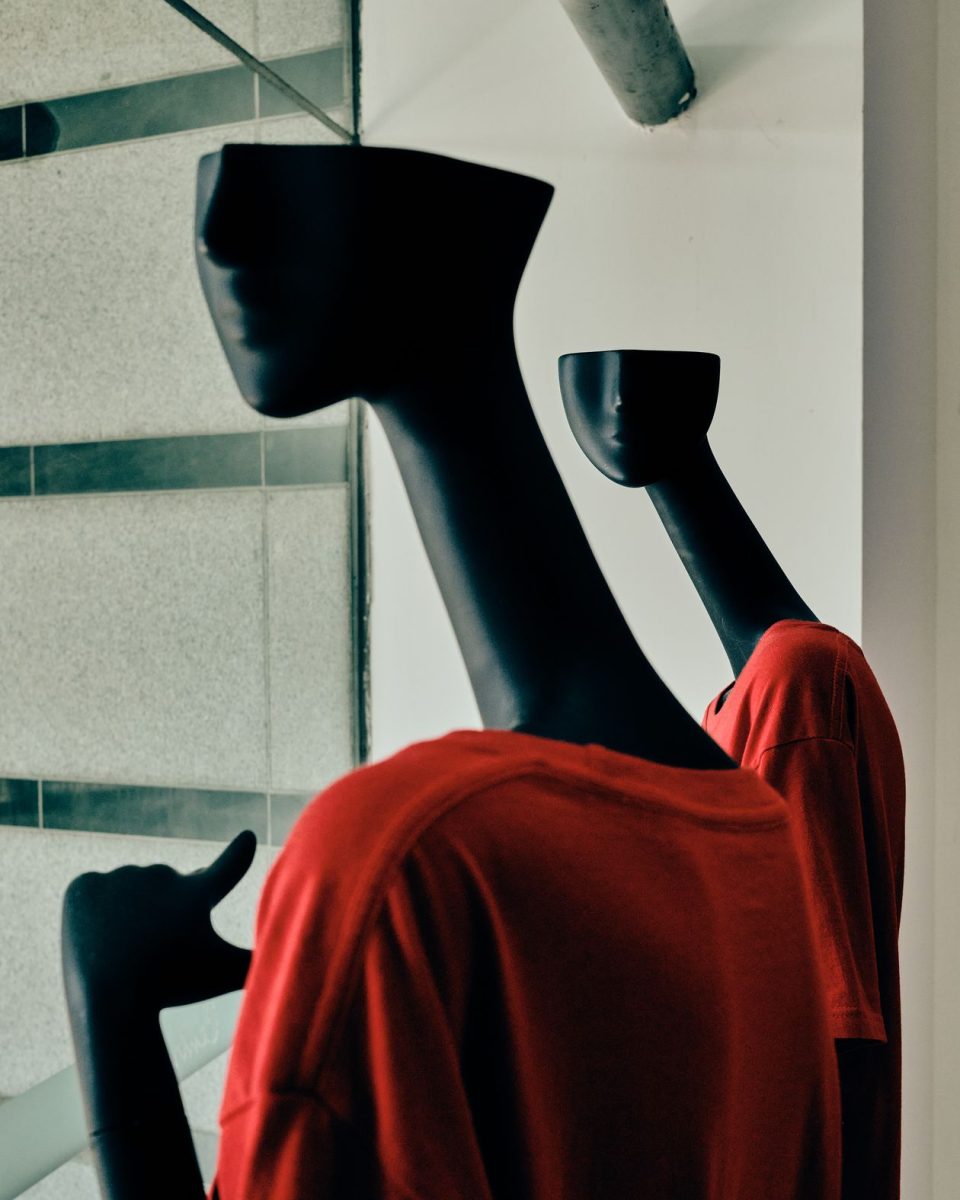
What Is the Ghost Mannequin Effect?
The “ghost mannequin” (sometimes called “invisible mannequin”) effect is a photo editing technique that makes a garment look like it’s being worn by an invisible person. The clothing keeps its natural shape — the collar sits open, sleeves have volume, the torso has dimension — without an actual mannequin, model, or hanger visible anywhere in the shot.
It’s become the standard way apparel brands photograph shirts, jackets, hoodies, dresses, and outerwear for e-commerce, because it shows a shopper how the item will actually fit and drape on a body — something a flat lay or hanger shot simply can’t do.
Why It Matters for Conversion
Flat garments photographed on a table tend to look lifeless and hide important details like sleeve shape or collar structure. A visible mannequin, on the other hand, is distracting and can make a listing look less premium. Ghost mannequin photography sits exactly in between: it shows the true 3D shape of the garment while keeping all visual attention on the product itself. For most apparel categories, it’s also what marketplaces like Amazon expect for a compliant main image — a visibly dressed mannequin usually isn’t accepted.
How the Shot (and the Edit) Actually Works
Ghost mannequin isn’t a single photo — it’s a combination of several:
- The outer shot: the garment photographed on a mannequin, fully dressed and styled, from the angle you want the final image to show.
- The interior/neck shot: the collar, inside the garment, or back panel photographed separately with the mannequin partially removed or turned, so the editor has the interior detail needed to fill in where the mannequin was.
- The hollow/invisible effect: in post-production, the editor removes every trace of the mannequin, blends the interior shot in at the collar and cuffs so it reads as a hollow, three-dimensional garment, then matches color, shadow, and lighting across both source images so the seam is invisible.
That last step is where quality separates good ghost mannequin work from bad — a poorly blended neck joint or a visible seam line at the collar is the most common giveaway of a rushed edit.
What Works Best (and What Doesn’t)
Ghost mannequin editing works especially well for structured garments: dress shirts, jackets, blazers, hoodies, sweaters, and dresses with some body to the fabric. It’s less effective, or needs a different technique entirely, for very thin or clingy fabrics that don’t hold shape without a body inside them, and for items like scarves or flat accessories that are better suited to a traditional flat lay.
Outsourcing vs. Doing It In-House
The photography side (getting the outer and interior shots) takes a few extra minutes per garment compared to a simple hanger shot — not a big lift. The editing side is where most in-house teams struggle: matching lighting and color between two separate photos, keeping the collar join invisible, and doing it consistently across a catalog of hundreds of SKUs without each one looking slightly different. That consistency is exactly what a dedicated editing team brings — the same quality bar on image 1 and image 500.
See what your garments look like with a clean ghost mannequin edit — send 3 photos and get them back free.