

Ghost Mannequin Photography: The Complete Guide for Apparel Brands
November 1, 2026
AI Product Photography in 2026: What It Can (and Can’t) Do for Your Listings
November 1, 2026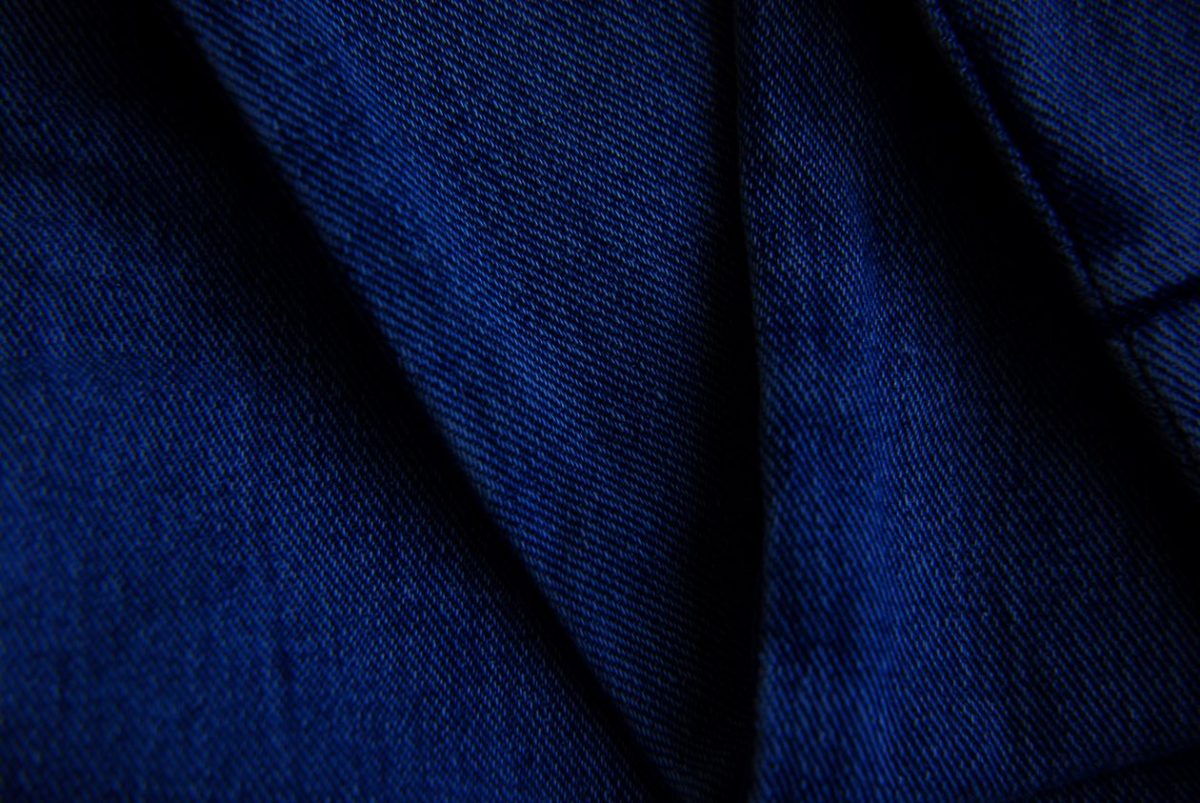
A Small Flaw That Has an Outsized Effect
A perfectly good garment can look cheap in a photo for one reason that has nothing to do with the product: wrinkles. Folding, shipping, sitting in storage, or a quick steam that didn’t quite do the job — all of it shows up as creases under studio lighting, and shoppers read wrinkled fabric as low quality even when the actual item is fine. For apparel and soft-goods sellers, it’s one of the most common and most fixable issues in a product shoot.
Reshoot vs. Edit
The instinct is often to re-steam and reshoot. That works, but it’s slow and expensive at any kind of catalog scale — multiply a reshoot by even a few dozen SKUs and it adds real days and real cost to a launch. Removing wrinkles and creases in post-production, done properly, gets the same clean result without touching the garment or the camera again.
What “Done Properly” Actually Looks Like
This is where a lot of DIY and rushed editing goes wrong. Wrinkle removal isn’t about blurring or smoothing the fabric until it looks plastic — that destroys the natural texture and drape that makes a photo look real in the first place. A good edit:
- Removes the actual creases and fold lines while keeping the fabric’s weave, grain, and natural texture intact.
- Preserves the garment’s real shadows and highlights so it still looks three-dimensional, not flattened.
- Stays consistent across every angle of the same product, and across every product in the same catalog, so nothing looks “extra edited” next to the rest.
The difference between a careful manual edit and an aggressive filter is usually obvious the moment you zoom in — over-smoothed fabric loses its texture and starts to look like a rendering instead of a photograph.
Where This Matters Most
Wrinkle and crease removal comes up constantly for: folded apparel shot flat or on a mannequin, bedding and linens, bags and soft accessories, and anything shipped from a supplier in bulk packaging before it reaches a photo studio. It also matters for marketplace compliance — a visibly creased main image doesn’t violate any rule outright, but it quietly costs conversion on every single click.
Keeping a Catalog Consistent
The real challenge isn’t fixing one photo — it’s fixing five hundred the same way. A dedicated editor working from a consistent process (not a one-click filter applied blindly) is what keeps an entire catalog looking like it was shot and edited by the same team, even when the raw photos came in with very different amounts of wrinkling.
Send us 3 wrinkled product photos and see them come back clean, textured, and natural — free.


1 Comment
[…] What to do: steam or iron the garment, then let us handle the small creases that always appear on set. See how we approach this in our wrinkle and crease removal guide. […]