
Wrinkle & Crease Removal: The Detail That Makes or Breaks a Clothing Listing
November 1, 2026
How to Take Estate Sale & Auction Photos That Actually Sell
November 1, 2026
AI Has Genuinely Changed Product Photo Editing
Over the last couple of years, AI-assisted tools have moved from a novelty to a real part of the product photo editing workflow. Background removal is faster, upscaling low-resolution source images is far more reliable, and generating clean studio or lifestyle backgrounds from scratch is now something that can happen in seconds instead of hours. For sellers managing large catalogs, that speed is genuinely useful.
Where AI Tools Are Strong
- Background removal assistance. AI can isolate a product from its background quickly, giving an editor a strong starting point to refine rather than starting from a blank selection.
- Upscaling. Recovering usable detail from a lower-resolution source image — useful when a supplier sends photos that are technically too small for marketplace zoom requirements.
- Background generation. Creating lifestyle or styled scenes behind a product without a full photo shoot, especially for secondary and marketing images.
- Batch speed. Repetitive, simple edits across a large catalog move faster with AI doing the first pass.
Where AI Still Falls Short
This is the part that gets glossed over in a lot of “AI will replace photo editors” takes. In our day-to-day production work, AI tools consistently struggle with:
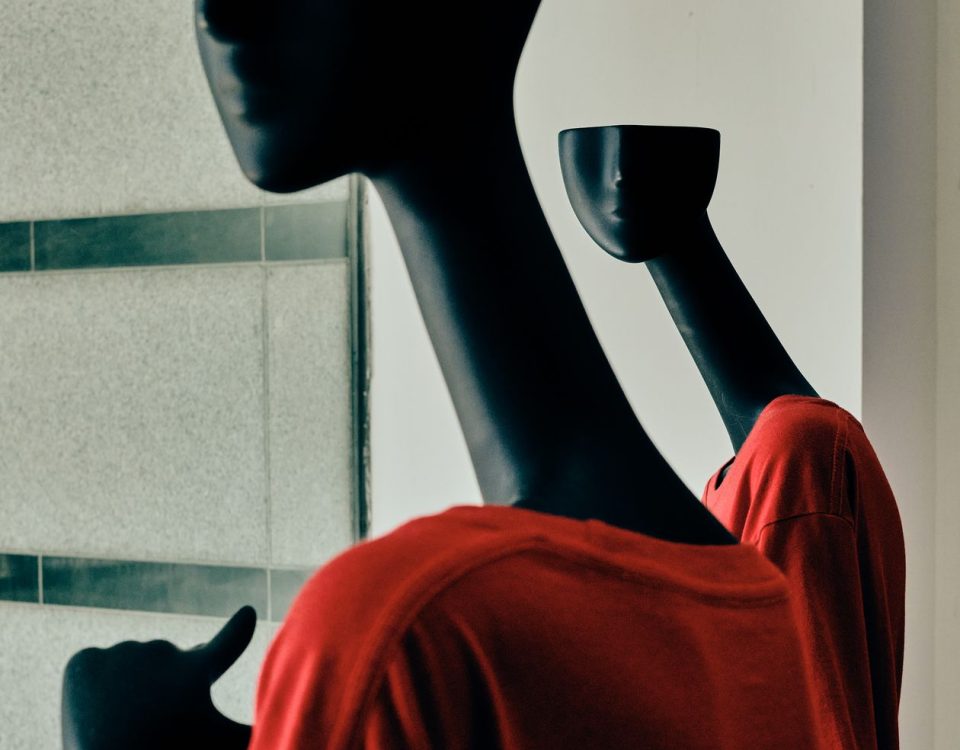
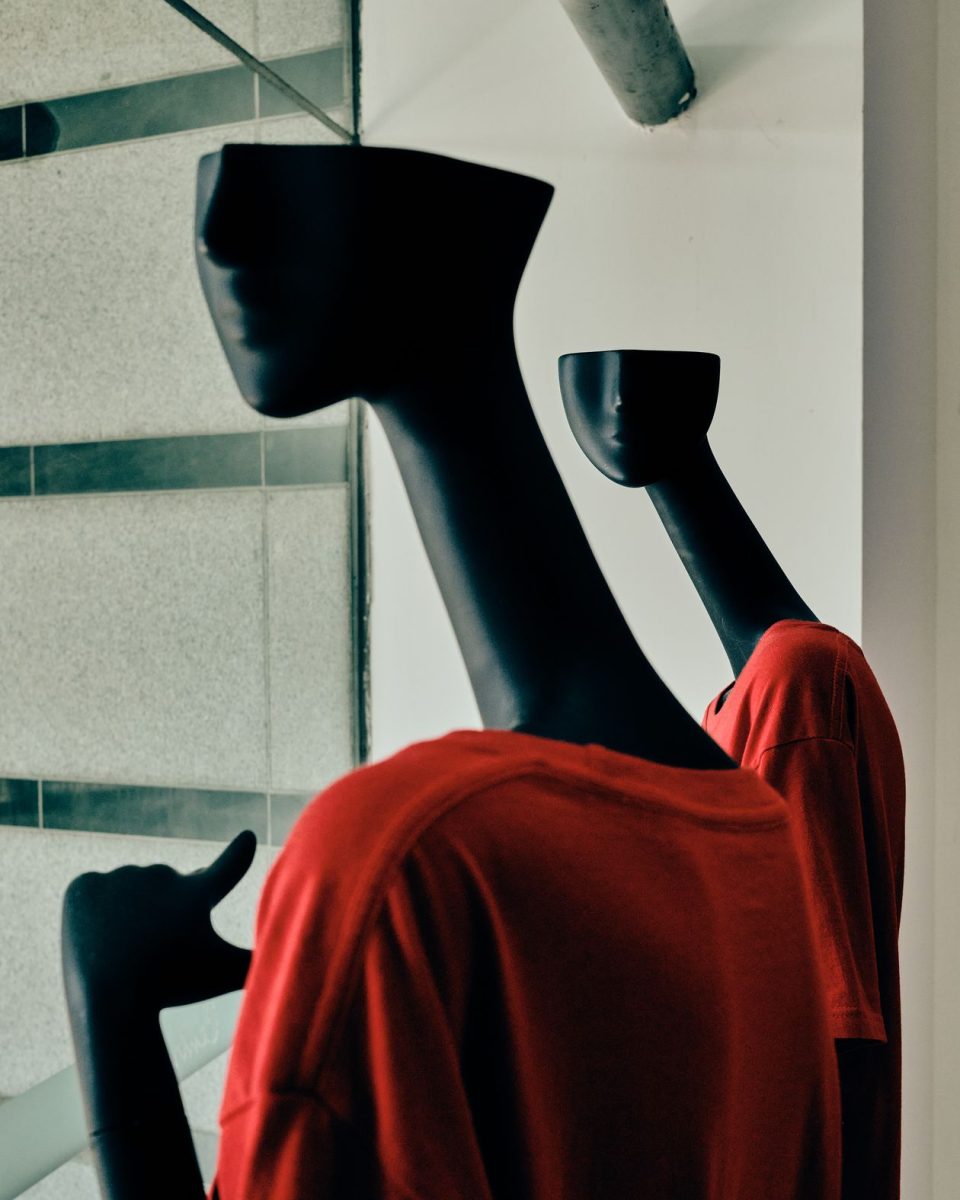
- Ghost mannequin collar and interior work. Blending two separate source photos into a seamless hollow garment edge still needs a human eye to catch where the join looks wrong.
- Wrinkle removal that preserves fabric realism. Automated smoothing tends to flatten texture into a plastic-looking result rather than removing just the crease.
- Color accuracy. For products where true-to-life color matters — and it always matters for return rates — AI color correction can drift from the actual product in ways that create customer disputes later.
- Consistency across hundreds of SKUs. AI tools applied independently to each image tend to produce subtly different results image to image; a trained editor working to a style guide keeps a whole catalog looking uniform.
- Auction and estate sale lot photography. This is the one place AI “enhancement” can actually become a liability. Bidders are relying entirely on the photo to judge condition since there’s no in-person inspection — smoothing over scratches, wear, or damage with AI can misrepresent the lot and create real disputes after the sale closes.
The Hybrid Approach
The teams getting the most out of AI right now aren’t using it to replace editing — they’re using it to speed up the parts of editing that are genuinely mechanical (an initial background cut, a resolution boost) while keeping trained editors responsible for anything that affects how accurately the photo represents the real product: color, texture, condition, and consistency. That combination is faster than fully manual editing and more reliable than fully automated editing on its own.
See the difference a trained editor (with the right tools, not just a filter) makes on your own photos — free.